


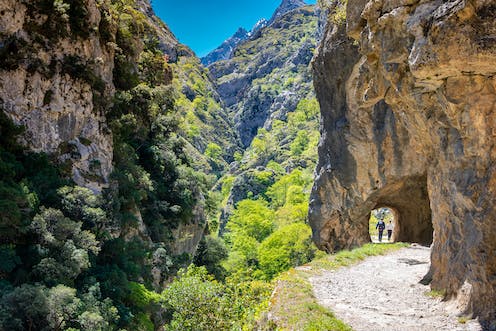

El Cares hiking trail in Northern Spain. Shutterstock / SergioNF
“I’m going to the countryside over the weekend to disconnect.”
This is a common refrain among people who, overwhelmed by the big city, seek to spend a few days in nature as a means of escape. We all know it works – a couple of days spent in rural relaxation and we return with our batteries recharged.
The sheer concentration of people in urban areas is growing faster than desired. Currently, more than half of the world’s population lives in cities and the proportion is expected to continue to rise. It is estimated that, by 2050, seven out of ten people in the world will live in large municipalities. Many of us will spend up to 90% of our lives within buildings.
Life in the city has its advantages, but it also poses a significant mental health risk. In fact, mood disorders, anxiety and depression are up to 56% more common in urban settings than in rural ones.
Getaways to appease the amygdala
There is a mechanism in the brain that allows nature to change our perception of things. It’s called the amygdala.
This is suggested in a study from a few years ago. In situations of stress, the amygdala is activated more in city dwellers than people living in rural areas.
The amygdala is the region of the nervous system responsible for the control of emotions and feelings. This is logical because it is in a privileged position that allows it to establish connections with many different parts of the brain. One of these regions is the frontal lobe, which explains why the amygdala participates in the inhibition of behaviour and decision making.
The amygdala is also involved in other activities such as controlling our eating (it is responsible for the feeling of satiety), managing fear and stress, structuring memories, regulating sexual behaviour and controlling aggression.
The essence of fear is survival, and this portion of the brain helps us to survive by avoiding dangerous situations, because it continually reviews the information provided by our senses, instantly detecting what may affect our survival (whether that be real or not). Once the threat is identified, it develops a response that moves us away from risk, and our probability of survival increases.
The advantages of immersing oneself in a relaxing forest ‘bath’
We can intervene on the amygdala to help it avoid anxiety and stress.
It is possible to do it with medication – although science also offers us another cheaper and simpler option: just contact with nature.
A recent study has shown that repeated exposure to natural environments has a positive effect on amygdala activity. People in frequent contact with nature present less activity in their amygdala during stressful situations.
Interacting with the environment is, therefore, a way to improve mental health. The Japanese have a word for it: shinrin-yoku or “forest bathing”.
Many other studies have reached the same conclusion. They show that contact with nature increases our feeling of happiness and decreases mental anguish, since this contact reduces negative emotions and stress.
It also gives us greater capacity to manage daily tasks, improving the ability of the so-called “working memory”, which allows us to temporarily store information in the brain. To this we must add an improvement in cognitive function – attention, memory, orientation – both in adults and children, with benefits in terms of imagination, creativity and school performance.
Another advantage of going out into the countryside is that it is an activity that can be done alone. People who walk alone in nature are less prone to depression and stress.
Like any good treatment, contact with nature also requires the right dosage. We need to spend at least half an hour in nature per week to feel the mental health benefits.
In conclusion, exposure to nature decreases amygdala activity and has beneficial effects on stress-related brain regions. This suggests that walking in the countryside buffers the detrimental effects of city life. And, in turn, it potentially acts as a preventive measure against the development of some mental disorders.
The need for green oases
Leaving the city in search of trees and clean air is not always within everyone’s reach. In this sense, we have an enemy: the massive and uncontrolled growth of cities, especially when urban planning does not include large green areas. Even if such areas are included, it it is of little use if they are for decorative purposes – not taking into account the benefits these areas could have for the mood of the city’s inhabitants.
The impact of urban green spaces on mental health has been the subject of research for years. Many scientists point out the need to include natural elements in our city projects, taking into account the many benefits they bring to our psyche.
While we wait for our cities to become greener, there is no other choice but to take great care of our natural environment. It is for our own good: we do not want to anger the amygdala.
José A. Morales García no recibe salario, ni ejerce labores de consultoría, ni posee acciones, ni recibe financiación de ninguna compañía u organización que pueda obtener beneficio de este artículo, y ha declarado carecer de vínculos relevantes más allá del cargo académico citado.


 Seguir
 Seguir
 Seguir
 Seguir
 Subscribe
 Seguir
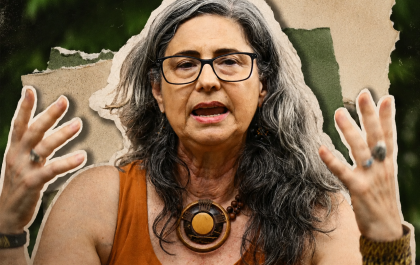
Luciana Gatti entra en política porque el Congreso brasileño está legislando la catástrofe
Luciana Gatti lleva más de 30 años estudiando la Amazonia y los gases que aceleran el calentamiento global. Es investigadora principal del Instituto Nacional de Investigaciones Espaciales de Brasil, el INPE, y coordina su Laboratorio de Gases de Efecto Invernadero. No es una tertuliana reciclada, una celebridad buscando foco ni una profesional de la política fabricada en un despacho. Es una científica que ha dedicado décadas a medir cómo uno de los mayores reguladores climáticos del planeta está dejando de funcionar.
Ahora ha decidido presentarse al Congreso.
Gatti anunció el 13 de julio su precandidatura a diputada federal por São Paulo dentro del Partido Socialismo y Libertad, el PSOL. Las candidaturas deberán registrarse oficialmente antes del 15 de agosto y la primera vuelta de las elecciones brasileñas se celebrará el 4 de octubre. Su objetivo es llevar la ciencia al lugar donde se aprueban las leyes que están acelerando el desastre. Porque publicar investigaciones sirve de poco cuando quienes legislan las ignoran, las niegan o directamente trabajan para las empresas responsables.
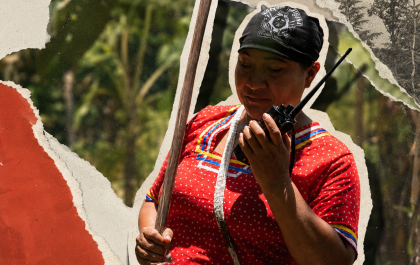
Ecuador abandona la Amazonia al oro ilegal y deja solos a quienes la protegen
La Amazonia ecuatoriana está siendo devorada por la minería ilegal mientras el Estado llega tarde, responde a medias o directamente mira hacia otro lado. Retroexcavadoras, dragas, campamentos clandestinos y grupos armados avanzan sobre territorios indígenas y áreas protegidas. Frente a ellos, 598 guardaparques abandonados a su suerte, sin capacidad legal para incautar maquinaria y sin medios para enfrentarse a organizaciones que llevan fusiles.
En el Parque Nacional Sumaco Napo-Galeras, varios trabajadores fueron interceptados durante una inspección por hombres fuertemente armados que afirmaron proporcionar seguridad a los mineros. Les quitaron los teléfonos, el GPS y la cámara. Quienes debían representar la autoridad ambiental terminaron desarmados, retenidos y obligados a explicar qué hacían dentro del espacio que estaban protegiendo. Los delincuentes pedían cuentas a los guardaparques y no al revés.

Ayuso convierte la cultura madrileña en un photocall pagado con dinero público
La política cultural de Isabel Díaz Ayuso tiene una regla bastante sencilla: para las creadoras y creadores corrientes existen formularios, convocatorias, límites presupuestarios y meses de espera; para las celebridades dispuestas a promocionar Madrid y posar junto al poder aparecen patrocinios millonarios, espacios públicos y contratos diseñados específicamente para ellas.
No es mecenazgo. Tampoco es una defensa desinteresada de la cultura. Es dinero público utilizado para comprar prestigio, propaganda turística y fotografías institucionales. La obra artística queda reducida a soporte publicitario y las administraciones se comportan como una agencia de representación financiada por las y los contribuyentes.
Nacho Cano fue durante años el mejor ejemplo de este modelo. Ahora Woody Allen recoge el testigo con un proyecto que recibirá 3 millones de euros de la Comunidad y del Ayuntamiento de Madrid. Dos nombres famosos, dos operaciones presentadas como apoyo cultural y una misma lógica: socializar el coste para que el beneficio político y empresarial quede en pocas manos.

THUNDERFORGE – El PENTÁGONO se echa en manos de la INTELIGENCIA ARTÍFICIAL #ReportajeS
El Pentágono ha dado un paso sin precedentes: poner la toma de decisiones y la estrategia militar en manos de la inteligencia artificial. Patricia Salvador te cuenta en este #ReportajeSR cómo, a…

STARSHIELD: la GUERRA PRIVADA (con dinero público) de MUSK #ReportajeSR
¿Es Elon Musk más poderoso que un Estado? Analizamos cómo SpaceX ha dejado de ser una empresa de cohetes para convertirse en el «sistema nervioso» de la guerra moderna. Desde el uso…
MODO REVOLUCIÓN
Activa el Modo Revolución con nosotras. Historias, investigaciones, vídeos y claves para entender qué está pasando y qué hay detrás.
También te puede interesar
Un toro de 300 metros: obscenidad franquista en versión parque temático
28 julio 2025PSOE: manual de cierre de filas en cinco pasos (y por qué siempre falla)
13 junio 2025Mazón no quiere dimitir: utiliza una remodelación para eludir responsabilidades
14 noviembre 2024La caída de un imperio: Elon Musk y todos sus frentes abiertos anuncian el final de un magnate
19 agosto 2024