




Este medio se sostiene gracias a su comunidad. APOYA EL PERIODISMO INDEPENDIENTE .
An image of the first season of the TV series Severance. Apple TV
Acclaimed by critics and audiences alike, the Apple TV series Severance, released last year, centred around a group of employees working at a firm called Lumon Industries who are truly able to split their work and personal lives. When they are at the office, employees do not remember anything about the outside world and when they are at home, they don’t remember anything about work.
It’s an extreme version of a concept that applies to most of us – managing the boundary between our private and professional lives – and is a preoccupation for academics working in the field of work-family research.
In the series, employees undergo a mind-wiping medical procedure called “severance”. In the work-family literature it’s less literal but is called “separation”. Separation is a boundary management technique that sees us split our work and family roles without any overlap.
The other side of this coin is “integration”, which sees individuals looking for synergies and overlaps between the multiple roles in their lives in order to experience better performance in all roles.
A good example of this would be Indra Nooyi, former Pepsi-Co’s CEO for 12 years who, during some of her time off, assumed the “consumer” role and tasted some products as a real customer, using the knowledge acquired to propose some innovation to core business products.
A complete separation between work and family is impossible. We will always be tempted to think about our family when handling work issues and it’s rare for people to be able to escape work communications when at home. This boundary between our two lives is permeable.
The literal “severance” experienced by employees in the TV show is undoubtedly an inviting prospect for some employers. Cutting off all thoughts of the outside world would certainly reduce non-work distractions and should, in theory, increase productivity. It could also be a desirable condition for some employees who might finally be able to stop ruminating about work when at home.
Colleagues at the office in the TV series Severance.
Apple TV
Cross-pollination
Even in the fictional world of Severance, we see that total separation is not a sustainable long-term option. And hoping for our lives to be perfectly segmented can foster false beliefs about the impact that these areas of our lives have on each other. This is especially true when the separation is motivated by the idea that our work and family roles are permanently in conflict. We come to believe that separating the two is necessary to avoid negative spillover.
The literature has widely shown that professional and private lives can be allies. When we experience positive emotions in one of our roles, it can influence the other. This concept of “work-family enrichment” invites us to integrate our different roles as much as possible based on the premise that they can benefit each other.
A post-pandemic reality
The Covid-19 pandemic has made segmentation even less achievable. During this period, many of us experienced a complete and irreversible blurring of work and home boundaries. This led some work-family scholars to create a new term: zigzag working.
Attending work meetings with the kids doing their homework on the same desk, sat on one’s lap, or preparing dinner while FaceTiming with a colleague has been normalised. Some people are quite reluctant to give this up. Not only does it make home life more manageable – some feel it is brought radical change and more humanity to the workplace.
While it is still early to draw conclusions, it is possible that the prolonged and forced integration between work and family roles could have prompted the need for an alternative and more sustainable work-home ideology.
We need to move away from the idea that a worker has to be devoted to their job or that ideal workers are those available 24/7.
During the pandemic, many senior executive saw, as they had never before, the reality of their own daily life as they tried to help family members juggling across the multiple daily activities. This forced and prolonged exposure to both family and work roles could have prompted the idea that participating actively in the family dynamics and day-to-day operations is rewarding at an emotional level, aside from being beneficial and productive.
It might also compel managers to become more respectful of the personal lives of their colleagues as they had experienced directly how demanding it could be to try to “have it all”.
Having it all – the possibility of experiencing a rich life in all their multiple domains – is a difficult goal to achieve. These considerations have led some scholars to add an adjective to this idea: “imperfect”. This means we have to accept the idea that our lives can be imperfect – especially when we do not want to give up anything. The key is to accept this idea and seek for help, focusing only in the activities we perform at our the best – if we are not great cooks, it should not be problem to eat take-away food in times of need.
While, as we’ve said, incorporating work into our private lives in a healthy way can help us develop positive emotions that arise from a job well done into our family lives and vice versa, we can see no advantages in receiving work emails demanding our attention while being at home with our families.
That means that overlapping one role with the other can be beneficial if it’s always done in a healthy and respectful way, not in an intrusive fashion.
And here is where the TV series (and many companies) are wrong: a boundary management system is effective only when it matches the individual preferences of the employees regarding their work/family balance. Before proposing a management system, companies should verify that it matches the preferences of their workers.
We of course already know that the mindwipe procedure in Severance is not possible in practice but perhaps we are also finding that it is not desirable either. We are not going back into a world that makes separation even remotely possible, so better to move towards a reality that benefits us rather than makes the two sides of our lives harder.
Marcello Russo does not work for, consult, own shares in or receive funding from any company or organization that would benefit from this article, and has disclosed no relevant affiliations beyond their academic appointment.
Este periodismo no lo financian bancos ni partidos
Lo sostienen personas como tú. En un contexto de ruido, propaganda y desinformación, hacer periodismo crítico, independiente y sin miedo tiene un coste.
Si este artículo te ha servido, te ha informado o te ha hecho pensar, puedes ayudarnos a seguir publicando.
Cada aportación cuenta. Sin intermediarios. Sin líneas rojas impuestas. Solo periodismo sostenido por su comunidad.
 Seguir
 Seguir
 Seguir
 Seguir
 Subscribe
 Seguir
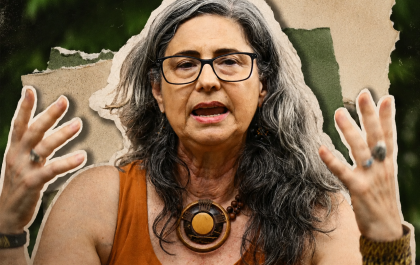
Luciana Gatti entra en política porque el Congreso brasileño está legislando la catástrofe
Luciana Gatti lleva más de 30 años estudiando la Amazonia y los gases que aceleran el calentamiento global. Es investigadora principal del Instituto Nacional de Investigaciones Espaciales de Brasil, el INPE, y coordina su Laboratorio de Gases de Efecto Invernadero. No es una tertuliana reciclada, una celebridad buscando foco ni una profesional de la política fabricada en un despacho. Es una científica que ha dedicado décadas a medir cómo uno de los mayores reguladores climáticos del planeta está dejando de funcionar.
Ahora ha decidido presentarse al Congreso.
Gatti anunció el 13 de julio su precandidatura a diputada federal por São Paulo dentro del Partido Socialismo y Libertad, el PSOL. Las candidaturas deberán registrarse oficialmente antes del 15 de agosto y la primera vuelta de las elecciones brasileñas se celebrará el 4 de octubre. Su objetivo es llevar la ciencia al lugar donde se aprueban las leyes que están acelerando el desastre. Porque publicar investigaciones sirve de poco cuando quienes legislan las ignoran, las niegan o directamente trabajan para las empresas responsables.

Ecuador abandona la Amazonia al oro ilegal y deja solos a quienes la protegen
La Amazonia ecuatoriana está siendo devorada por la minería ilegal mientras el Estado llega tarde, responde a medias o directamente mira hacia otro lado. Retroexcavadoras, dragas, campamentos clandestinos y grupos armados avanzan sobre territorios indígenas y áreas protegidas. Frente a ellos, 598 guardaparques abandonados a su suerte, sin capacidad legal para incautar maquinaria y sin medios para enfrentarse a organizaciones que llevan fusiles.
En el Parque Nacional Sumaco Napo-Galeras, varios trabajadores fueron interceptados durante una inspección por hombres fuertemente armados que afirmaron proporcionar seguridad a los mineros. Les quitaron los teléfonos, el GPS y la cámara. Quienes debían representar la autoridad ambiental terminaron desarmados, retenidos y obligados a explicar qué hacían dentro del espacio que estaban protegiendo. Los delincuentes pedían cuentas a los guardaparques y no al revés.

Ayuso convierte la cultura madrileña en un photocall pagado con dinero público
La política cultural de Isabel Díaz Ayuso tiene una regla bastante sencilla: para las creadoras y creadores corrientes existen formularios, convocatorias, límites presupuestarios y meses de espera; para las celebridades dispuestas a promocionar Madrid y posar junto al poder aparecen patrocinios millonarios, espacios públicos y contratos diseñados específicamente para ellas.
No es mecenazgo. Tampoco es una defensa desinteresada de la cultura. Es dinero público utilizado para comprar prestigio, propaganda turística y fotografías institucionales. La obra artística queda reducida a soporte publicitario y las administraciones se comportan como una agencia de representación financiada por las y los contribuyentes.
Nacho Cano fue durante años el mejor ejemplo de este modelo. Ahora Woody Allen recoge el testigo con un proyecto que recibirá 3 millones de euros de la Comunidad y del Ayuntamiento de Madrid. Dos nombres famosos, dos operaciones presentadas como apoyo cultural y una misma lógica: socializar el coste para que el beneficio político y empresarial quede en pocas manos.

15.000 personas ya han visto cómo la fe se convierte en poder
El último ReportajeSR analiza cómo determinados sectores del evangelismo conservador dejaron de limitarse a los templos para convertirse en una maquinaria política al servicio de la extrema derecha. De Trump a Bolsonaro, de Milei a Vox: redes comunitarias, guerras culturales, dinero, medios y religión convertidos en infraestructura electoral.
Presentado por Léa Gugelmann, el reportaje ya ha superado las 15.000 visualizaciones desde su estreno. Porque para entender el auge de la extrema derecha no basta con mirar a sus candidatos: también hay que observar quién construye sus discursos, moviliza sus bases y presenta el autoritarismo como una misión divina.

Vídeo | Sadismo en primera persona
Un turista graba el encierro de San Fermín como si estuviera en una atracción. Adrenalina, golpes, risas y animales convertidos en decorado para conseguir un vídeo viral. No está viviendo una tradición: está consumiendo sufrimiento como entretenimiento.
Además, corre con una cámara cuando está prohibido hacerlo, poniendo en peligro a quienes tiene alrededor. La turistificación añade otra capa de irresponsabilidad a una barbaridad ya normalizada: venir, beber, molestar, jugar con la vida ajena y marcharse con unos cuantos clics. El sadismo también se graba en primera persona.