




Truth is a fact coated in many layers. K8 / Unsplash
Since the dawn of philosophical knowledge, the existence of truth has been debated. We all talk about the truth. We all ask for the truth. We demand it, even if we sometimes deny its existence. This article will attempt to give another view of what, for now, I believe to be the truth.
In journalism, truth is often equated with the facts: “There was an accident on such-and-such a corner, on such-and-such a day at such-and-such an hour and so many people were injured.” This is a purely informative conception of truth, based on the rule of “the 5 ‘W’s”, which frame the story: “Who, what, when, where, why.”
But we cannot take a fact as the truth. What if someone comes along and says: “It was not an accident. One of the drivers was drunk”? Here we enter into the world of interpretations.
There is no truth
In his Posthumous Fragments, the German philosopher Friedrich Nietzsche wrote his most famous phrase: “There are no facts, only interpretations.”
The phrase is as interesting as it is controversial and misinterpreted. It has been used to decree the death of truth and to indicate that everyone can have their own interpretation, i.e. their own truth.
Paradoxically, Nietzsche’s phrase fell into its own interpretative trap. When he says that there are interpretations, he is not seeking to relativise the concept of truth, but rather to say that when something happens, people find different interpretations of the event.
Portrait of Michel Foucault (1926-1984) French philosopher. Ink and watercolour.
Nemomain / Wikimedia Commons, CC BY-SA
The French philosopher Michel Foucault supports Nietzsche’s theory, but adds his trademark: power. According to Foucault, there are multiple interpretations of the facts, but power is in charge of imposing its interpretation (its truth) and totalising it. When we imagine power, we often think of gentlemen in expensive suits sitting around a table thinking “what can we arrange now?”.
But for Foucault, power is simply the capacity to position one’s own interpretation as general truth. It can be a citizen from a social network, a politician of any sign and ideology, a businesswoman or even a neighbour who starts a rumour in the neighbourhood and establishes it as absolute truth. This is also how the concept of post-truth is born.
Truth is an onion
Nevertheless, I would like to propose a simpler, but no less sophisticated, way of understanding the very concept of truth.
First of all, all theories are partly right. Truth as a concept in itself is broad. Truth is the sum of all interpretations, of facts, past and present. And one may wonder what the past has to do with the truth of the present. A quote from the existentialist philosopher Jean-Paul Sartre explains it well: “We are not lumps of clay; what is important is not what people make of us, but what we ourselves make of what they have made of us.” The present cannot be separated from the past, as we are its consequence. Without understanding the past, it is impossible to understand the present.
To make it clearer, let us imagine the concept of truth as an onion. Onions are vegetables made up of several layers that cover a core. If we make the parallel, the core would be a concrete fact: the accident on the street corner, for example. The layer that covers it would be the vision of the witnesses and the protagonists of that accident. The next layer would be the past of those involved. And so the layers overlap, moving further and further away from the event itself.
But inevitably, in one way or another, all the layers are involved in the fact we are analysing. Therefore, truth is that onion. Truth is that set of interpretations and macro-views that make a global and complete picture of all the facts possible.
The truth is not within our reach
So, is there such a thing as truth? The answer I can give is yes. Is it possible to possess the truth? My answer is a resounding no. Unless one is God or an omnipresent, omnipotent, omnitemporal being, it is impossible to possess or attain it.
But belief in the existence of a truth is fundamental. In his work The modern theme, the Spanish philosopher José Ortega y Gasset explains why this is important: “Life without truth is not livable. In such a way, then, truth exists, which is reciprocal with man. Without man there is no truth, but vice versa, without truth there is no man. Man can be defined as the being that absolutely needs truth and, conversely, truth is the only thing that man essentially needs, his only unconditional need.”
This makes the concept of truth a utopia. And what is a utopia? Uruguayan journalist and writer Eduardo Galeano explains it in an exceptional way by paraphrasing a friend:
“Utopia is on the horizon. I walk ten paces and she walks ten paces away. So what is utopia for? That’s what it’s for, to give us a reason to be walking.”
500,000+ people get our newsletters. Join them, subscribe now.
Agustín Joel Fernandes Cabal does not work for, consult, own shares in or receive funding from any company or organisation that would benefit from this article, and has disclosed no relevant affiliations beyond their academic appointment.
 Seguir
 Seguir
 Seguir
 Seguir
 Subscribe
 Seguir
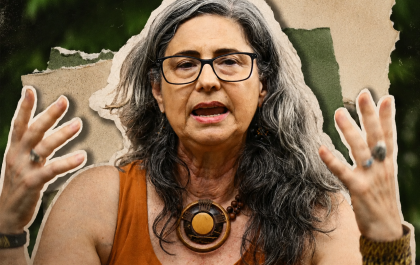
Luciana Gatti entra en política porque el Congreso brasileño está legislando la catástrofe
Luciana Gatti lleva más de 30 años estudiando la Amazonia y los gases que aceleran el calentamiento global. Es investigadora principal del Instituto Nacional de Investigaciones Espaciales de Brasil, el INPE, y coordina su Laboratorio de Gases de Efecto Invernadero. No es una tertuliana reciclada, una celebridad buscando foco ni una profesional de la política fabricada en un despacho. Es una científica que ha dedicado décadas a medir cómo uno de los mayores reguladores climáticos del planeta está dejando de funcionar.
Ahora ha decidido presentarse al Congreso.
Gatti anunció el 13 de julio su precandidatura a diputada federal por São Paulo dentro del Partido Socialismo y Libertad, el PSOL. Las candidaturas deberán registrarse oficialmente antes del 15 de agosto y la primera vuelta de las elecciones brasileñas se celebrará el 4 de octubre. Su objetivo es llevar la ciencia al lugar donde se aprueban las leyes que están acelerando el desastre. Porque publicar investigaciones sirve de poco cuando quienes legislan las ignoran, las niegan o directamente trabajan para las empresas responsables.
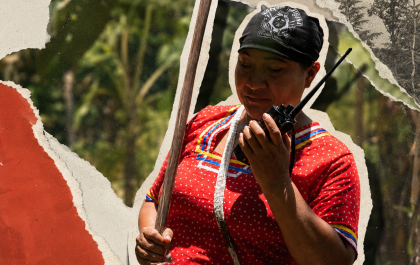
Ecuador abandona la Amazonia al oro ilegal y deja solos a quienes la protegen
La Amazonia ecuatoriana está siendo devorada por la minería ilegal mientras el Estado llega tarde, responde a medias o directamente mira hacia otro lado. Retroexcavadoras, dragas, campamentos clandestinos y grupos armados avanzan sobre territorios indígenas y áreas protegidas. Frente a ellos, 598 guardaparques abandonados a su suerte, sin capacidad legal para incautar maquinaria y sin medios para enfrentarse a organizaciones que llevan fusiles.
En el Parque Nacional Sumaco Napo-Galeras, varios trabajadores fueron interceptados durante una inspección por hombres fuertemente armados que afirmaron proporcionar seguridad a los mineros. Les quitaron los teléfonos, el GPS y la cámara. Quienes debían representar la autoridad ambiental terminaron desarmados, retenidos y obligados a explicar qué hacían dentro del espacio que estaban protegiendo. Los delincuentes pedían cuentas a los guardaparques y no al revés.

Ayuso convierte la cultura madrileña en un photocall pagado con dinero público
La política cultural de Isabel Díaz Ayuso tiene una regla bastante sencilla: para las creadoras y creadores corrientes existen formularios, convocatorias, límites presupuestarios y meses de espera; para las celebridades dispuestas a promocionar Madrid y posar junto al poder aparecen patrocinios millonarios, espacios públicos y contratos diseñados específicamente para ellas.
No es mecenazgo. Tampoco es una defensa desinteresada de la cultura. Es dinero público utilizado para comprar prestigio, propaganda turística y fotografías institucionales. La obra artística queda reducida a soporte publicitario y las administraciones se comportan como una agencia de representación financiada por las y los contribuyentes.
Nacho Cano fue durante años el mejor ejemplo de este modelo. Ahora Woody Allen recoge el testigo con un proyecto que recibirá 3 millones de euros de la Comunidad y del Ayuntamiento de Madrid. Dos nombres famosos, dos operaciones presentadas como apoyo cultural y una misma lógica: socializar el coste para que el beneficio político y empresarial quede en pocas manos.

THUNDERFORGE – El PENTÁGONO se echa en manos de la INTELIGENCIA ARTÍFICIAL #ReportajeS
El Pentágono ha dado un paso sin precedentes: poner la toma de decisiones y la estrategia militar en manos de la inteligencia artificial. Patricia Salvador te cuenta en este #ReportajeSR cómo, a…
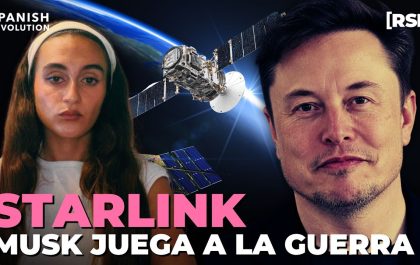
STARSHIELD: la GUERRA PRIVADA (con dinero público) de MUSK #ReportajeSR
¿Es Elon Musk más poderoso que un Estado? Analizamos cómo SpaceX ha dejado de ser una empresa de cohetes para convertirse en el «sistema nervioso» de la guerra moderna. Desde el uso…
MODO REVOLUCIÓN
Activa el Modo Revolución con nosotras. Historias, investigaciones, vídeos y claves para entender qué está pasando y qué hay detrás.
También te puede interesar
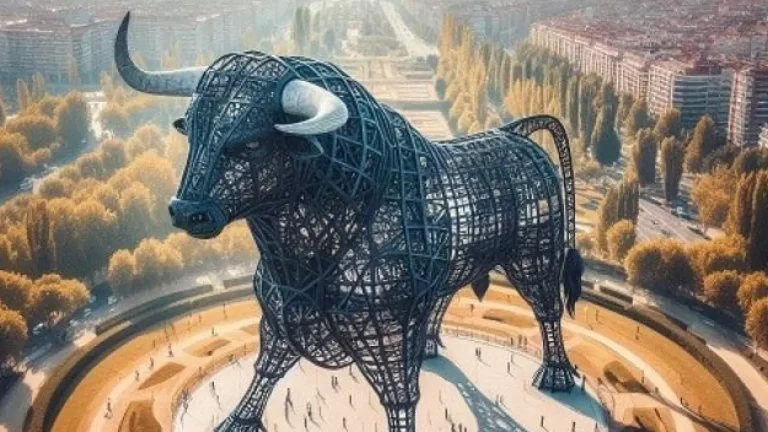
Un toro de 300 metros: obscenidad franquista en versión parque temático
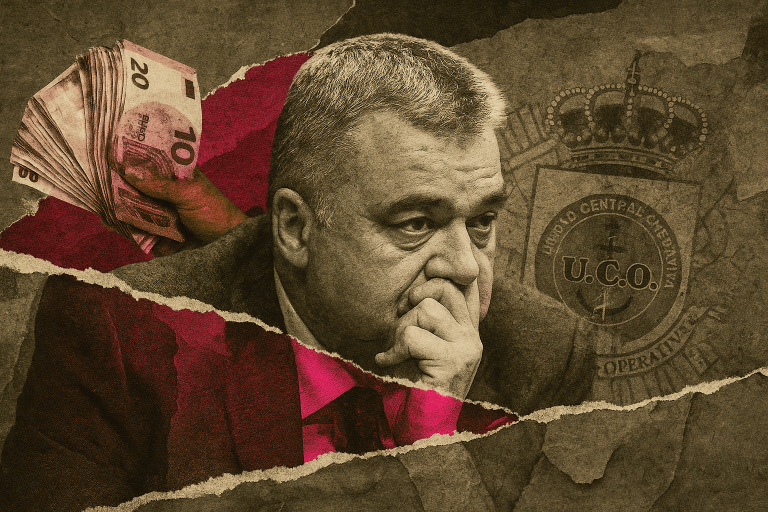
28 julio 2025PSOE: manual de cierre de filas en cinco pasos (y por qué siempre falla)
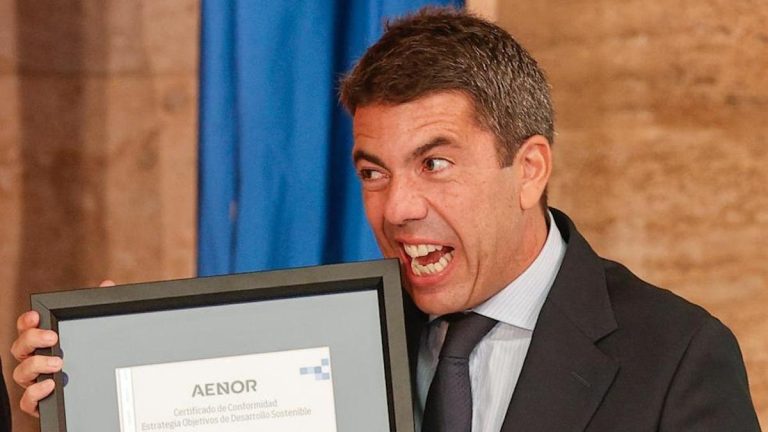
13 junio 2025Mazón no quiere dimitir: utiliza una remodelación para eludir responsabilidades
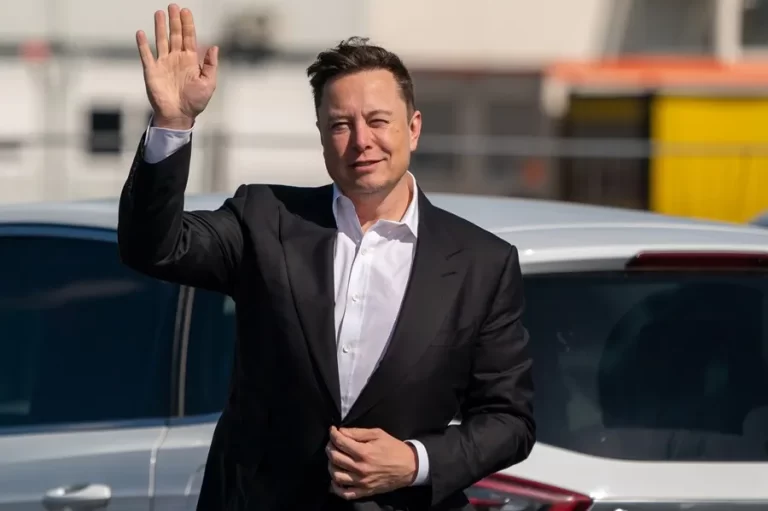
14 noviembre 2024La caída de un imperio: Elon Musk y todos sus frentes abiertos anuncian el final de un magnate
19 agosto 2024