




Este medio se sostiene gracias a su comunidad. APOYA EL PERIODISMO INDEPENDIENTE .
Maria Svetlychnaja / Shutterstock
When a working woman becomes a mother, she automatically becomes part of the “working mothers” collective. The same, however, is not true for men: the term “working father” is not a term that is commonly used, although everyone understands its meaning.
Since language is never neutral, it is easy to understand why this difference exists: according to social norms, motherhood is a primary source of identity for women, yet fatherhood is not for men. That’s why it is not surprising that even the policies and measures established for creating a work, personal life and family balance have been mainly aimed at women and only residually at men.
The situation, nevertheless, is slowly changing in Europe, since men also want to take part in childcare and since the demographic context compels them to take on a serious role in the duty and the right to provide care.
Parents who adapt their work to create a balance
Research on reconciling work and family life coined the term known as the “one-and-a-half earner model” to refer to the core family model where both parents work but one of them (usually the woman in heterosexual couples) reduces her working time in order to take on childcare obligations.
Although this model is especially widespread in central European countries such as Austria and Germany, the underlying cause of this model (where it is the woman who subordinates herself, adapts or even renounces her work life in order to raise her children) is common in many other countries.
Thus, in Europe as a whole, about 6.4% of fathers (compared to 34% of mothers) with dependent children up to the age of 15 have adapted their work in some major way as a result of their paternity, such as reducing their working hours, working part-time or switching to less demanding tasks. This percentage ranges, however, from less than 5% in most of the eastern countries up to more than 20% in the Netherlands or Switzerland (with relatively high percentages in the Nordic countries as well).
Although the profile of these working parents varies according to the countries, in addition to the type of adaptation they make, in Europe as a whole it is more likely that adaptations have been made in the case of white-collar workers (except managers), when the contract is temporary, in the case of the self-employed, when the partner works more than 40 hours and has a high level of education, and when they work in “family-responsible” companies (understood as those that at least offer time flexibility to their staff).
Actions that companies can take
During the 2019-2022 period, the Men in Care European project, co-funded by the European Commission, implemented actions in companies and organisations in eight European countries to promote male joint responsibility and thereby progress towards a society in which men also put care at the centre of their lives.
The public policies that most encourage parents to start providing care with the arrival of their first baby were studied. It was determined that countries with non-transferable and well-paid birth or parental leave have more parents who use them compared to countries that have transferable, poorly paid or low-capped policies.
In Spain, Iceland, Norway and Slovenia, parents used the benefits much more than in Germany, Austria or Poland. Since 2021, Spain has become the only country in the world to offer non-transferable, equal leave for mothers and fathers.
After a baby’s first year of life, which can be essentially covered by the different leaves of absence from employment, companies can promote joint responsibility in care through other policies used by men, such as reducing overtime, compressing the working day, adapting working hours and work shifts to childcare needs, a 30-to-35-hour working week without salary reduction, and regulated and voluntary remote work.
An infographic and a company guide have been drawn up to explain how to support male caregivers in seven steps and the benefits for companies. Workshops have also been held with working parents and management staff, which interested entities can request through the Spanish National Distance Education University (UNED). Lastly, the project’s partner organisations make seven policy recommendations at the European level to incorporate men into caregiving.
Irina Fernández Lozano has received research funding from the European Commission and the Ministry of Science and Innovation.
Este periodismo no lo financian bancos ni partidos
Lo sostienen personas como tú. En un contexto de ruido, propaganda y desinformación, hacer periodismo crítico, independiente y sin miedo tiene un coste.
Si este artículo te ha servido, te ha informado o te ha hecho pensar, puedes ayudarnos a seguir publicando.
Cada aportación cuenta. Sin intermediarios. Sin líneas rojas impuestas. Solo periodismo sostenido por su comunidad.
 Seguir
 Seguir
 Seguir
 Seguir
 Subscribe
 Seguir
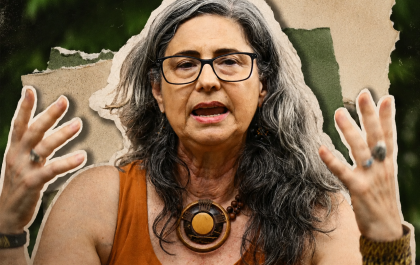
Luciana Gatti entra en política porque el Congreso brasileño está legislando la catástrofe
Luciana Gatti lleva más de 30 años estudiando la Amazonia y los gases que aceleran el calentamiento global. Es investigadora principal del Instituto Nacional de Investigaciones Espaciales de Brasil, el INPE, y coordina su Laboratorio de Gases de Efecto Invernadero. No es una tertuliana reciclada, una celebridad buscando foco ni una profesional de la política fabricada en un despacho. Es una científica que ha dedicado décadas a medir cómo uno de los mayores reguladores climáticos del planeta está dejando de funcionar.
Ahora ha decidido presentarse al Congreso.
Gatti anunció el 13 de julio su precandidatura a diputada federal por São Paulo dentro del Partido Socialismo y Libertad, el PSOL. Las candidaturas deberán registrarse oficialmente antes del 15 de agosto y la primera vuelta de las elecciones brasileñas se celebrará el 4 de octubre. Su objetivo es llevar la ciencia al lugar donde se aprueban las leyes que están acelerando el desastre. Porque publicar investigaciones sirve de poco cuando quienes legislan las ignoran, las niegan o directamente trabajan para las empresas responsables.
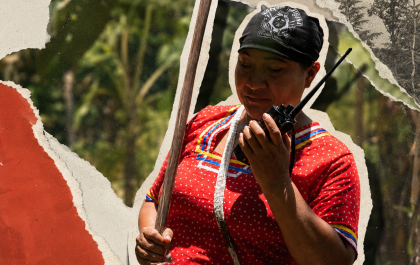
Ecuador abandona la Amazonia al oro ilegal y deja solos a quienes la protegen
La Amazonia ecuatoriana está siendo devorada por la minería ilegal mientras el Estado llega tarde, responde a medias o directamente mira hacia otro lado. Retroexcavadoras, dragas, campamentos clandestinos y grupos armados avanzan sobre territorios indígenas y áreas protegidas. Frente a ellos, 598 guardaparques abandonados a su suerte, sin capacidad legal para incautar maquinaria y sin medios para enfrentarse a organizaciones que llevan fusiles.
En el Parque Nacional Sumaco Napo-Galeras, varios trabajadores fueron interceptados durante una inspección por hombres fuertemente armados que afirmaron proporcionar seguridad a los mineros. Les quitaron los teléfonos, el GPS y la cámara. Quienes debían representar la autoridad ambiental terminaron desarmados, retenidos y obligados a explicar qué hacían dentro del espacio que estaban protegiendo. Los delincuentes pedían cuentas a los guardaparques y no al revés.

Ayuso convierte la cultura madrileña en un photocall pagado con dinero público
La política cultural de Isabel Díaz Ayuso tiene una regla bastante sencilla: para las creadoras y creadores corrientes existen formularios, convocatorias, límites presupuestarios y meses de espera; para las celebridades dispuestas a promocionar Madrid y posar junto al poder aparecen patrocinios millonarios, espacios públicos y contratos diseñados específicamente para ellas.
No es mecenazgo. Tampoco es una defensa desinteresada de la cultura. Es dinero público utilizado para comprar prestigio, propaganda turística y fotografías institucionales. La obra artística queda reducida a soporte publicitario y las administraciones se comportan como una agencia de representación financiada por las y los contribuyentes.
Nacho Cano fue durante años el mejor ejemplo de este modelo. Ahora Woody Allen recoge el testigo con un proyecto que recibirá 3 millones de euros de la Comunidad y del Ayuntamiento de Madrid. Dos nombres famosos, dos operaciones presentadas como apoyo cultural y una misma lógica: socializar el coste para que el beneficio político y empresarial quede en pocas manos.

15.000 personas ya han visto cómo la fe se convierte en poder
El último ReportajeSR analiza cómo determinados sectores del evangelismo conservador dejaron de limitarse a los templos para convertirse en una maquinaria política al servicio de la extrema derecha. De Trump a Bolsonaro, de Milei a Vox: redes comunitarias, guerras culturales, dinero, medios y religión convertidos en infraestructura electoral.
Presentado por Léa Gugelmann, el reportaje ya ha superado las 15.000 visualizaciones desde su estreno. Porque para entender el auge de la extrema derecha no basta con mirar a sus candidatos: también hay que observar quién construye sus discursos, moviliza sus bases y presenta el autoritarismo como una misión divina.

Vídeo | Sadismo en primera persona
Un turista graba el encierro de San Fermín como si estuviera en una atracción. Adrenalina, golpes, risas y animales convertidos en decorado para conseguir un vídeo viral. No está viviendo una tradición: está consumiendo sufrimiento como entretenimiento.
Además, corre con una cámara cuando está prohibido hacerlo, poniendo en peligro a quienes tiene alrededor. La turistificación añade otra capa de irresponsabilidad a una barbaridad ya normalizada: venir, beber, molestar, jugar con la vida ajena y marcharse con unos cuantos clics. El sadismo también se graba en primera persona.