



Este medio se sostiene gracias a su comunidad. APOYA EL PERIODISMO INDEPENDIENTE .
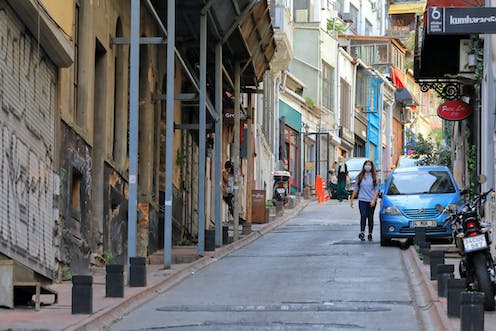
There are many people who have experienced fear or stress on the street at one time or another. There are also those who go out to relax or disconnect from their home or work lives. The place is the same, but the experiences are clearly different. Despite the fact that the street is an important space in our lives, we don’t really know why it brings about positive emotions in some people and negative emotions in others.
Many municipalities have invested significant amounts of money to “clean up”, “improve” and “modernise” their streets, squares and parks. This generally means changing the urban layout, increasing the number of fixtures on the street or adding plants.
But, in reality, these are merely formal interventions: the extent to which they improve the emotions that people experience in public spaces has not been studied.
Identifying emotions
Traditionally, emotions have been identified through surveys. This approach has some problems. The main issue is that people lie – whether consciously or unconsciously. They also forget things, don’t want to admit that something scares them or fail fill out the questionnaire correctly.
A new method was needed. And that has been possible in recent years thanks to the miniaturisation (and falling cost) of some medical devices. Now, people can move around in the street with instruments that measure their emotions.
One indicator of those is heart rate. When we say that someone has a heart rate of 60 beats per minute, it could be deduced that the time between beats is one second. But actually, during those 60 seconds, the frequency of each beat varies to accommodate the changes the person is going through. Measuring these variations makes it possible to identify changes in the emotions experienced.
These changes in the intervals between beats can be measured with instruments like the heart rate bands that athletes use. If this information is correlated to a specific location (for example, with the GPS of a mobile phone), we can know which locations are associated with heartbeat alterations and look for possible causes.
Different reactions depending on gender
Heart rate changes reveal some significant differences in how groups of people experience public space. For example, they make it possible to identify changes in the perception of space by gender.
In one of the first tests carried out to identify these changes, which took place in the historic centre of Lleida (Spain), the results showed that women experienced a degree of stress that is 17.34% higher than men throughout the experiment. In addition, 20.51% of female participants rated some of the spaces visited as “unpleasant”, compared to 8.6% of males. Likewise, significant differences were identified in the spaces that brought about these emotions.
Women tended to have higher levels of stress in narrow pedestrian streets, especially if there were other people or parked vehicles creating areas with poor visibility. In contrast, men were more stressed by parks, gardens and shopping streets with a high presence of people.
Something curious was observed precisely in parks and gardens. These places seemed to produce a feeling of wellbeing in women, while in men the common feeling was stress. This is an example of how the same place can be perceived differently by different groups.
It is also important to point out that, when identifying the emotions experienced throughout the experiment, women expressed fear and sadness more often than men. Men tended to express joy and rage.
Shutterstock / Alexander Image
City planning based on emotions
With the COVID-19 pandemic, an increase in anxiety and fear of going outside was observed. Knowing the origin of these emotions allows us to know the causes of that situation and design public spaces that tackle the issue of the population’s wellbeing and mental health.
Small micro-spaces that we see each day like zebra crossings, narrow sidewalks and parked cars may be directly related to whether we feel good or bad in a public place. Thinking about them properly is essential to designing spaces that flow with – and not against – the population.
Daniel Paül Agustí receives funding from the Institut de Desenvolupament Social i Territorial (INDEST) – Universitat de Lleida and from the National Plan – European Union (RTI2018-094142-B-C21).
Montserrat Guerrero Lladós receives funding from the Institut de Desenvolupament i Territorial (INDEST) Universitat de Lleida and from the National Plan – European Union (RTI2018-094142-B-C21).
Este periodismo no lo financian bancos ni partidos
Lo sostienen personas como tú. En un contexto de ruido, propaganda y desinformación, hacer periodismo crítico, independiente y sin miedo tiene un coste.
Si este artículo te ha servido, te ha informado o te ha hecho pensar, puedes ayudarnos a seguir publicando.
Cada aportación cuenta. Sin intermediarios. Sin líneas rojas impuestas. Solo periodismo sostenido por su comunidad.
 Seguir
 Seguir
 Seguir
 Seguir
 Subscribe
 Seguir
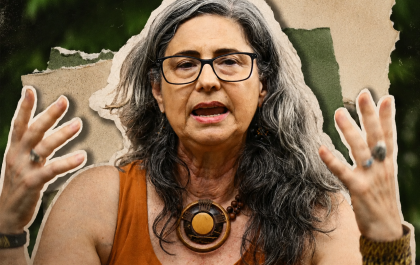
Luciana Gatti entra en política porque el Congreso brasileño está legislando la catástrofe
Luciana Gatti lleva más de 30 años estudiando la Amazonia y los gases que aceleran el calentamiento global. Es investigadora principal del Instituto Nacional de Investigaciones Espaciales de Brasil, el INPE, y coordina su Laboratorio de Gases de Efecto Invernadero. No es una tertuliana reciclada, una celebridad buscando foco ni una profesional de la política fabricada en un despacho. Es una científica que ha dedicado décadas a medir cómo uno de los mayores reguladores climáticos del planeta está dejando de funcionar.
Ahora ha decidido presentarse al Congreso.
Gatti anunció el 13 de julio su precandidatura a diputada federal por São Paulo dentro del Partido Socialismo y Libertad, el PSOL. Las candidaturas deberán registrarse oficialmente antes del 15 de agosto y la primera vuelta de las elecciones brasileñas se celebrará el 4 de octubre. Su objetivo es llevar la ciencia al lugar donde se aprueban las leyes que están acelerando el desastre. Porque publicar investigaciones sirve de poco cuando quienes legislan las ignoran, las niegan o directamente trabajan para las empresas responsables.

Ecuador abandona la Amazonia al oro ilegal y deja solos a quienes la protegen
La Amazonia ecuatoriana está siendo devorada por la minería ilegal mientras el Estado llega tarde, responde a medias o directamente mira hacia otro lado. Retroexcavadoras, dragas, campamentos clandestinos y grupos armados avanzan sobre territorios indígenas y áreas protegidas. Frente a ellos, 598 guardaparques abandonados a su suerte, sin capacidad legal para incautar maquinaria y sin medios para enfrentarse a organizaciones que llevan fusiles.
En el Parque Nacional Sumaco Napo-Galeras, varios trabajadores fueron interceptados durante una inspección por hombres fuertemente armados que afirmaron proporcionar seguridad a los mineros. Les quitaron los teléfonos, el GPS y la cámara. Quienes debían representar la autoridad ambiental terminaron desarmados, retenidos y obligados a explicar qué hacían dentro del espacio que estaban protegiendo. Los delincuentes pedían cuentas a los guardaparques y no al revés.

Ayuso convierte la cultura madrileña en un photocall pagado con dinero público
La política cultural de Isabel Díaz Ayuso tiene una regla bastante sencilla: para las creadoras y creadores corrientes existen formularios, convocatorias, límites presupuestarios y meses de espera; para las celebridades dispuestas a promocionar Madrid y posar junto al poder aparecen patrocinios millonarios, espacios públicos y contratos diseñados específicamente para ellas.
No es mecenazgo. Tampoco es una defensa desinteresada de la cultura. Es dinero público utilizado para comprar prestigio, propaganda turística y fotografías institucionales. La obra artística queda reducida a soporte publicitario y las administraciones se comportan como una agencia de representación financiada por las y los contribuyentes.
Nacho Cano fue durante años el mejor ejemplo de este modelo. Ahora Woody Allen recoge el testigo con un proyecto que recibirá 3 millones de euros de la Comunidad y del Ayuntamiento de Madrid. Dos nombres famosos, dos operaciones presentadas como apoyo cultural y una misma lógica: socializar el coste para que el beneficio político y empresarial quede en pocas manos.

15.000 personas ya han visto cómo la fe se convierte en poder
El último ReportajeSR analiza cómo determinados sectores del evangelismo conservador dejaron de limitarse a los templos para convertirse en una maquinaria política al servicio de la extrema derecha. De Trump a Bolsonaro, de Milei a Vox: redes comunitarias, guerras culturales, dinero, medios y religión convertidos en infraestructura electoral.
Presentado por Léa Gugelmann, el reportaje ya ha superado las 15.000 visualizaciones desde su estreno. Porque para entender el auge de la extrema derecha no basta con mirar a sus candidatos: también hay que observar quién construye sus discursos, moviliza sus bases y presenta el autoritarismo como una misión divina.

Vídeo | Sadismo en primera persona
Un turista graba el encierro de San Fermín como si estuviera en una atracción. Adrenalina, golpes, risas y animales convertidos en decorado para conseguir un vídeo viral. No está viviendo una tradición: está consumiendo sufrimiento como entretenimiento.
Además, corre con una cámara cuando está prohibido hacerlo, poniendo en peligro a quienes tiene alrededor. La turistificación añade otra capa de irresponsabilidad a una barbaridad ya normalizada: venir, beber, molestar, jugar con la vida ajena y marcharse con unos cuantos clics. El sadismo también se graba en primera persona.